
Reports that Centrelink payments can be put on hold for up to 28 days have made February a month of worry for thousands of Australians. People who already get help every two weeks to pay their rent, food, and bills are confused and scared by the thought of losing payments for almost a month.
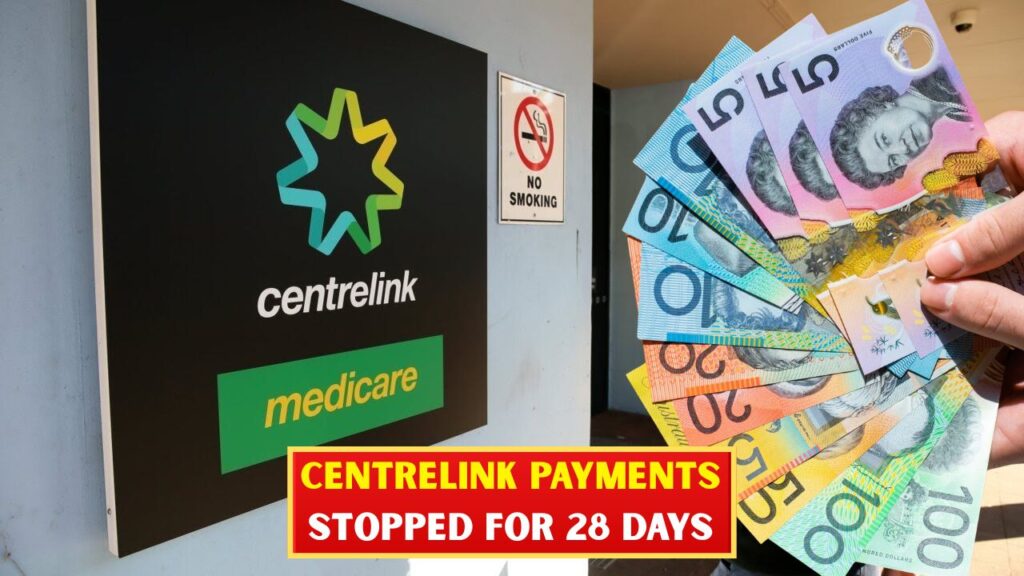
In reality, things are more complicated than what many headlines say. Payments don’t just stop “out of the blue,” but February rules do let them be put on hold for 28 days if certain conditions aren’t met.
This is what the 28-day rule is, who it affects, and how Australians can avoid missing payments.

If the following conditions are met, payments can be put on hold for up to 28 days:
- Not giving the right information
- People miss their appointments
- You don’t meet your reporting obligations.
- Activities that are required for compliance aren’t done
- Checks on identity or eligibility are still not done.
The Australian Government sets these rules for Services Australia to follow when it comes to a number of payments.
Why February Is a Month with a Lot of Risk
February often starts compliance work because:
- After February , annual and mid-year reviews will start up again.
- Income and study information are looked at again.
- Resume of job search and participation requirements
- Clearing up backlogs from the holidays
This is when “action required” notices show up for many people, and they often have very short deadlines.
Who Is Most Affected by the 28-Day Rule?
Not everyone is at risk, but some groups are more likely to be.
Recipients who are at higher risk include:
- People who get JobSeeker or Youth Allowance
- Students who get Austudy or Youth Allowance (Student)
- People who get Parenting Payment and have to meet certain requirements
- People who have to do things for each other
- Anyone who has unread digital notices
A suspension can happen even after a short delay.
What Happens When You Are Suspended for 28 Days
Not the same as cancellation is a suspension.
When you are suspended:
- Payments stop for a short time
- You can also pause concession cards.
- The payment history is still active.
- If you act quickly, you may be able to get back payments.
Payments are usually restored, sometimes with back pay, if problems are fixed within 28 days.
After 28 Days, What Happens
If nothing is done during the suspension period:
- Payments can be stopped
- You may have to apply again.
- You might lose back pay.
- There may be waiting times.
This is why the 28-day window is so important.

Why a lot of people don’t know they’re in danger
The rule isn’t the biggest problem; communication is.
Most compliance notices are sent out digitally through myGov:
- Messages might not cause email alerts to go off.
- Notices need to be acted on, not just read.
- Even if messages aren’t opened, deadlines still apply.
- There is no guarantee of a paper letter.
Most of the time, people only realise there’s a problem when they don’t get their payment.
True Stories from Australians
Nathan, who lives in western Sydney and gets JobSeeker, said the pause came out of nowhere.
He said, “I didn’t get my payment.” “When I logged in, I saw a message from weeks ago.”
Laura, a student in regional Victoria, just barely avoided being suspended.
“They wanted to know more about the study,” she said. “If I had waited another day, my payment would have stopped.”
What the Government Is Saying
Services Australia says:
- Suspensions are the last thing to do.
- Most of them get better quickly after something is done.
- When obligations are met, payments are restored.
- Digital communication is now the main way to
Officials tell people who get money to check their accounts often.
How to Keep Payments from Going Missing for 28 Days
Australians can keep their payments safe by:
- At least once a week, logging in to myGov
- Reading all messages in your inbox right away
- Getting reports done on time
- Going to all of your required appointments
- Quickly updating your income, studies, or personal information
It’s better to respond early than to wait, even if you’re not sure.
What This Rule Isn’t
Important points to make clear:
- This is not a punishment that only happens in February.
- It doesn’t mean that the payment will be cut automatically.
- It doesn’t have an effect on everyone.
- It doesn’t stop payments right away for good.
- It’s a way to protect compliance, but if you don’t follow it, there are real consequences.