
For many Australians on Centrelink support, an overlooked update could quietly erase up to $1,500 a year from their household income. The deadline — 28 February — is fast approaching, and welfare advisers say the risk isn’t a cut or new policy, but something far simpler: missing a required update.
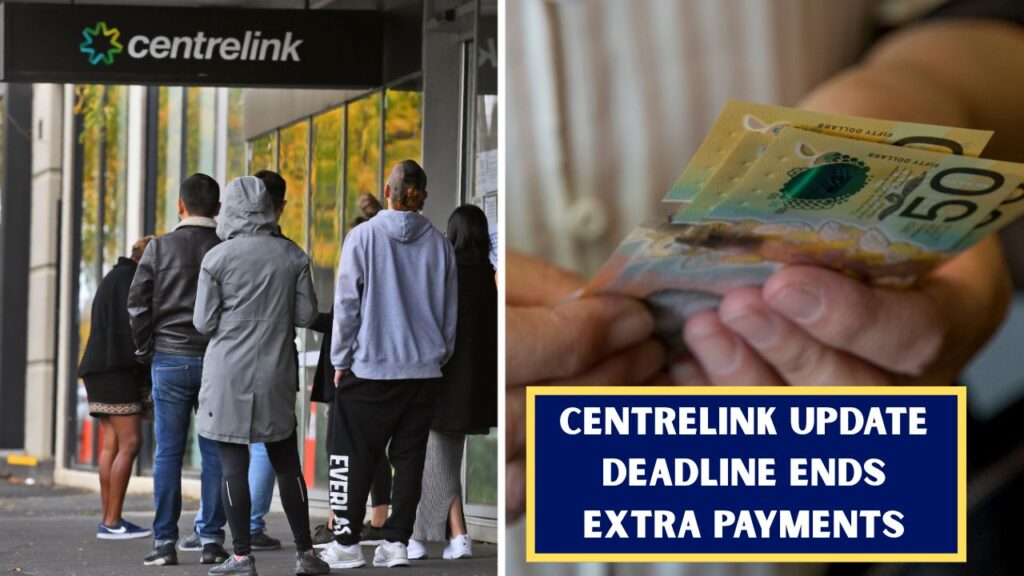
The problem is awareness. Many recipients assume that if nothing has changed, nothing needs to be done. But under current rules, failing to confirm or update details when requested can trigger payment reductions that add up week by week.
Here’s what’s happening and why this date matters.

What’s Changing — and Why 28 February Is Critical
Services Australia has confirmed that routine reviews and data-matching checks must be completed by the end of February to keep certain payments and supplements at the correct rate.
These checks are administered through Centrelink and apply across multiple payment types.
Before 28 February, some recipients must:
- Confirm income details
- Update assets or savings
- Verify living arrangements
- Reconfirm partner or dependent information
If these steps aren’t completed, payments may be reassessed automatically — often at a lower rate.
How People Lose $1,500 Without Realising
The loss doesn’t happen all at once. Instead, it builds quietly over time.
Here’s how it adds up:
- Weekly payment reduced by $25–$30
- Supplements removed or paused
- Reduced rate continues for months
- Missed amounts not always backpaid
Over a year, even small reductions can total $1,500 or more.
A welfare adviser explained, “People think they’ve lost $20 here or there. By the end of the year, it’s thousands.”
Who Is Most at Risk
While not everyone will be affected, some groups face higher risk of losing money:
- Age Pension recipients
- JobSeeker Payment recipients
- Parenting Payment recipients
- Carer Payment and Carer Allowance recipients
- Anyone with casual or variable income
People who’ve moved, changed work hours, or had household changes are especially vulnerable.

Real Stories From Australians
Margaret, 68, from regional NSW, said she didn’t realise she had to reconfirm her assets.
“I thought nothing had changed, so I ignored the message,” she said. “Three months later, my payment was lower — and it stayed that way.”
In Melbourne, single parent Josh said late income updates cost him hundreds before he noticed.
“It wasn’t a warning,” he said. “It just showed up as less money.”
What the Government Is Saying
Services Australia says updates are essential to ensure fairness and accuracy across the system.
A spokesperson said, “Payments are calculated using the information provided. If that information isn’t confirmed or updated when requested, the rate may change.”
Officials also confirmed that missed confirmations are one of the most common reasons for reduced payments, not ineligibility.
Expert Insight: Why This Happens So Often
Social policy experts say Centrelink systems rely heavily on self-reported information.
- Reviews are increasingly automated
- Missed confirmations trigger default reassessments
- Restoring payments can take weeks or months
- Some underpayments are not automatically corrected
Experts stress that acting early is far easier than fixing problems later.
What You Should Do Before 28 February
To protect your payments, advisers recommend:
- Logging in to your Centrelink account
- Checking for any outstanding tasks or messages
- Reviewing income, assets, and household details
- Confirming information even if nothing has changed
- Keeping a record of submissions
Completing updates now helps avoid reductions that can linger.