
Colin, who is 73 years old and lives in regional New South Wales, doesn’t see driving as a luxury; he sees it as freedom. He uses it to get to the doctor, see friends, and buy groceries. He was worried when he heard that the rules for older drivers would change in 2026. He said, “I don’t want to lose my licence.” “But I also want to do what’s right.”
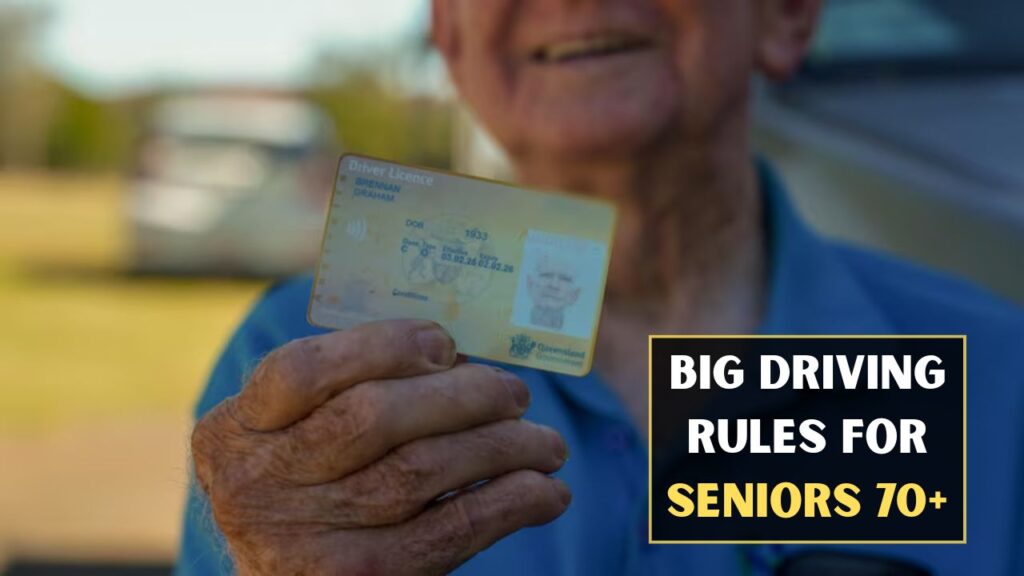
Starting on February 28 , 2026, new rules for Australians 70 and older who want to drive will start to be put in place in all states and territories. The main goal is to make the roads safer, but the changes are likely to change how seniors renew their licenses, get medical exams, and show that they are fit to drive.
What Will Be Different for Older Drivers Starting on February 28 , 2026
Australia already has age-based licence requirements, but the 2026 update makes things more consistent, checks drivers over 70 more often, and keeps a closer eye on them.

The most important changes are:
- Required medical exams starting at age 70 (or earlier in some cases)
- More frequent licence checks as drivers get older
- More widespread use of conditional licenses
- More focus on functional ability, not just age
- States and territories followed clearer national rules.
Licensing is still done by state, but the new framework makes rules more similar across the country.
Why the Rules Are Being Changed
Australia’s population is getting older, and more seniors are staying on the road longer, usually safely. But crash data shows that medical conditions that come with age can make things more dangerous if they aren’t checked on regularly.
The authorities say the goal is not to take away licenses, but to:
- Find health risks early on
- Help people drive safely and keep driving when they can.
- Lower the number of serious accidents that happen during medical episodes
- When driving is no longer safe, suggest other options.
Officials say that most seniors will keep their licenses, often with only a few extra steps.
What Drivers Over 70 Will Have to Do
Starting on February 28 , 2026, most drivers over the age of 70 can expect the following when they renew their licence.
- Regular health checks
Drivers will need to see a doctor or specialist to make sure they are healthy enough to drive. This could include checks of vision, cognitive function, and long-term health problems. - Shorter License Terms
Licenses may be good for one to three years, depending on the person’s age and health, instead of having to renew them every year. - Possible Licences with Conditions
Some drivers may be allowed to drive with certain conditions, such as:- Driving only during the day
- Restrictions in the area
- Limits on speed or distance
These let older people keep driving safely instead of losing their licence completely.
The Real Stories Behind the Change
Marilyn, who is 76 and lives in South Australia, already has a conditional licence to drive. She said, “I can’t drive at night anymore, but that’s okay.” I still go to my appointments and see my friends.

Peter, 71, from Queensland, on the other hand, just finished a medical review. He said, “It was easy.” “I passed, and my licence was renewed. It made me feel good about myself.
Advocacy groups say that these experiences show that the system works best when it helps older drivers instead of punishing them.
From the point of view of the government and road safety
The Australian Department of Infrastructure said that the new rules are all about safety and independence.
The spokesperson said, “Age alone does not determine driving ability.” “The changes in 2026 are meant to make sure that drivers are physically and mentally able to drive safely, while also helping older Australians stay mobile whenever they can.”
The department also talked about how seniors will have more money for other ways to get around.
What doctors and road safety experts say about this
Doctors and nurses agree that regular checkups are important because they can find problems early.
Experts say that:
- Vision and reaction time can change slowly over time.
- Side effects of drugs could make it hard to drive.
- Early checks reduce the chance of sudden licence loss
- Conditional licenses often give drivers more years of safe driving.
Doctors also stress how important it is for patients and GPs to talk to each other honestly.
How the new rules are different from the old ones
| Area | Before 2026 | From 28 February 2026 |
|---|---|---|
| Health checks | Changes from state to state | More consistent across the country |
| Age of review | Starts at 70, goes up to 75 | Starts at 70 |
| Length of licence | As long as 5 years | Shorter, based on age |
| Licenses with conditions | Not much use | More use |
| Focus | Age limits | Ability to function |
What Seniors and Families Should Do Right Now
To get ready for the changes in 2026:
- Goodbye Retirement Boost—Super Rule Takes Away Up to $7,500 a Year
- Make regular appointments with your GP.
- Keep your eye exams current.
- Talk to your doctor about your medications.
- Talk about other ways to get around early on.
- Don’t wait until it’s time to renew to deal with problems.
Planning ahead makes things less stressful and better.